Why Mexican Cuisine Is Famous: Discovering the Cultural Value Behind the Dishes
Mexican food sticks out for its dynamic flavors and deep social origins. The combination of spanish and aboriginal influences produces an one-of-a-kind culinary identity. Each meal narrates of practice, party, and neighborhood. Ingredients like corn and chili peppers play vital functions fit these stories. To recognize the full relevance of these culinary techniques, one need to explore the layers of background and definition that enhance every bite. What lies beneath the surface of this beloved cuisine?
The Historical Origins of Mexican Food
Although Mexican cuisine is commonly commemorated for its lively tastes and varied ingredients, its historical roots run deep, mirroring a rich tapestry of cultural impacts. Originating from old Mesoamerican people, such as the Aztecs and Mayans, Mexican food developed via centuries of farming practices that incorporated neighborhood crops like maize, beans, and chili peppers. The arrival of Spanish colonizers in the 16th century presented new ingredients, consisting of rice, dairy products, and pork, which combined with aboriginal traditions to create unique cooking fusions. This mix of affects not just shaped the meals yet likewise stood for the cultural and social characteristics of the time. Over the years, regional variations arised, influenced by geography, climate, and local customs. Mexican food stands as a representation of its historic journey, embodying the durability and adaptability of its individuals while celebrating their heritage with food.
Regional Variety and Its Effect On Flavors
Regional variety plays a necessary duty in forming the flavors of Mexican food, with each area adding distinct components based upon neighborhood farming and custom. Typical cooking methods even more enhance these flavors, mirroring the personalizeds and backgrounds of individuals. In addition, the varying climates throughout Mexico impact which ingredients flourish, resulting in unique regional meals that commemorate the country's culinary richness.
One-of-a-kind Components by Area
Mexican cuisine showcases an amazing range of unique ingredients that vary substantially across its varied areas, each contributing distinct tastes and culinary strategies. In the seaside areas, fish and shellfish such as shrimp and fish are staples, typically combined with tropical fruits like mango and coconut. The main highlands are understood for their abundant selection of beans, corn, and squash, forming the basis of numerous standard dishes. In the Yucatán Peninsula, achiote and sour oranges impart an one-of-a-kind flavor account, while the northern regions prefer beef and wheat-based dishes, reflecting the influence of neighboring societies. Each area's climate and geography shape the local active ingredients, producing a dynamic tapestry of tastes that highlight Mexico's abundant cooking heritage.

Conventional Cooking Strategies
The varied components located throughout Mexico not only form the meals however likewise influence the standard food preparation methods utilized in each region. As an example, in Oaxaca, using a stone mortar and pestle, called a "metate," is prevalent for grinding corn and seasonings to develop masa and mole. In contrast, coastal regions frequently use cooking and steaming methods to prepare fish and shellfish, reflecting their accessibility to fresh catch. The highlands may emphasize slow-cooking methods, such as barbacoa, where meats are wrapped in maguey leaves and buried in the ground. Each method is deeply rooted in the neighborhood society, showcasing the importance of custom while enhancing the unique flavors that define Mexican food throughout varied landscapes.
Environment's Flavor Impact
Climate varies substantially across Mexico, it plays a necessary duty in forming the tastes and ingredients that specify the country's food. Various areas experience unique weather condition patterns, influencing the agricultural output and culinary methods. The arid north is known for its passionate meats, while the rich south offers a wealth of exotic fruits and vegetables. Coastal areas profit from fresh seafood, which becomes a staple in their meals. Furthermore, the highlands generate distinct natural herbs and spices that contribute to local specialties. This weather variety not only improves the taste profiles of Mexican cuisine however also mirrors the social identity of each region, showcasing the deep link between the atmosphere and cooking heritage.
The Role of Ingredients in Culinary Identification
Necessary to understanding culinary identity, the active ingredients of a food disclose deep historical narratives and cultural links. In Mexican cuisine, staples such as corn, beans, and chili peppers serve not only as foundational elements but likewise as signs of strength and adjustment. Corn, as an example, is sacred, showing its value to agricultural methods and native societies. The variety of beans showcases the country's biodiversity, while chili peppers include depth and heat, representing local variations and culinary imagination.
These active ingredients are linked with rituals, customs, and regional custom-mades, highlighting the value of area in shaping culinary identity. The assimilation of natural herbs like cilantro and spices such as cumin further enriches the taste account, showing the impact of both aboriginal techniques and early american backgrounds. Collectively, these parts develop a lively tapestry that mirrors the complexities of Mexican society, making its food an effective expression of identification and heritage.
Traditional Cooking Strategies and Their Relevance
Conventional cooking techniques in Mexican cuisine work as an essential link to the country's heritage, protecting old methods gave via generations. These methods not only mirror local diversity but also enhance the special tastes that specify the cuisine. Comprehending their value discloses the social richness installed in every recipe.
Old Techniques Preserving Heritage
While modern-day cooking strategies have actually changed the landscape of Mexican cuisine, old techniques stay an essential link to the country's rich heritage. Methods such as nixtamalization, the process of treating corn with lime to boost its nutritional value, have been critical fit conventional dishes. Making use of clay pots and stone mortars, called molcajetes, likewise reflects the emphasis on authenticity and taste that has actually been passed down via generations. These methods not just protect the honesty of components but also embody public worths and social practices. By remaining to use these ancient strategies, modern Mexican cooks keep a connection to their ancestors, guaranteeing that the cookeries continue to be reflective and lively of the nation's varied history.
Regional Techniques and Flavors
As diverse as its landscapes, Mexican cuisine is defined by a myriad of local strategies and tastes that reflect the one-of-a-kind social impacts and regional active ingredients of each area. In Oaxaca, making use of the comal for food preparation tortillas demonstrates a custom gave with generations, while the Yucatán area showcases the slow-cooking visit the website approach called cochinita pibil, stressing seasoned pork covered in banana leaves. Coastal locations highlight seafood prep work, with techniques like ceviche reflecting spanish and native influences. Each area's distinctive seasonings, such as the smoky chipotle from Veracruz or the dynamic chilies from Puebla, add to a rich tapestry of tastes - happy hour. These standard approaches not just enhance cooking variety yet likewise work as a representation of the strength and creativity of Mexican society
Celebrations and celebrations: Food as a Cultural Expression
Events and celebrations in Mexico are often noted by a variety of lively recipes that show the country's abundant cultural heritage. Traditional meals, such as tamales during Día de los Muertos and pozole during Independence Day, display cooking methods and local active ingredients, representing neighborhood and domestic bonds. Food ends up being a tool for narration, with each recipe lugging historic relevance and regional identifications.
Along with the recipes themselves, the rituals surrounding food prep work and consumption play an important duty in these celebrations. Family members collect to create sophisticated meals, fostering links and preserving traditions gave via generations. The common nature of these culinary methods highlights the significance of sharing food as an expression of love and unity. Via these festive events, Mexican food goes beyond mere nourishment, functioning as a cultural symbol that commemorates heritage, spirituality, and the pleasure of togetherness.
International Influence and Acknowledgment of Mexican Gastronomy
How has Mexican gastronomy acquired such prevalent honor around the globe? The solution depends on you can try here its vivid tastes, varied components, and rich social heritage that resonate worldwide. Recognized by UNESCO as an Intangible Cultural Heritage of Mankind, Mexican food showcases an unique blend of indigenous and Spanish impacts, making it distinct and appealing.
Dining establishments specializing in Mexican dishes have actually proliferated worldwide, presenting authentic tastes such as mole, tacos, and tamales to varied tastes buds. The appeal of Mexican food has also been boosted by celeb chefs and food preparation programs, which highlight its culinary strategies and traditions.
Additionally, food celebrations and cultural occasions celebrate Mexican gastronomy, further boosting its condition on the globe phase. As an outcome, Mexican cuisine goes beyond boundaries, promoting admiration for its historic value and cooking virtuosity, guaranteeing its long-lasting impact in the worldwide culinary landscape.
Frequently Asked Concerns
What Are the Health Benefits of Conventional Mexican Recipes?
Typical Mexican dishes offer various health and wellness advantages, including high fiber web content from vegetables and vegetables, healthy and balanced fats from avocados, and crucial nutrients from seasonings. These ingredients add to enhanced digestion, heart health and wellness, and general wellness.
Just How Can I Recreate Genuine Mexican Dishes at Home?
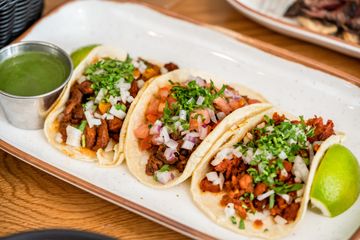
To recreate authentic Mexican dishes at home, one should source fresh components, utilize conventional food preparation techniques, discover regional variations, and comply with trusted dishes while welcoming the lively flavors and cultural nuances fundamental in Mexican cuisine. (tacos)
What Duty Do Seasonings Play in Mexican Food Preparation?
Seasonings are important in Mexican food preparation, enhancing flavors and aromas. They provide deepness and intricacy to dishes, reflecting regional diversity. Typical flavors like oregano, chili, and cumin add to the vivid, bold accounts characteristic of Mexican food.
Are There Vegetarian or Vegan Options in Mexican Cuisine?
Yes, Mexican food supplies many vegetarian and vegan choices. Meals such as chiles rellenos, nopales, and different bean preparations showcase the rich flavors and components offered, making it available for those adhering to plant-based diet plans.
Exactly How Has Mexican Food Influenced Other International Foods?
Mexican cuisine has greatly affected global foods via the introduction of components like corn, beans, and chili peppers, motivating blend meals and enhancing taste accounts in different cooking customs, especially in the USA and Latin America.
Mexican cuisine stands out for its lively flavors and deep social roots. Mexican food is frequently celebrated for its dynamic flavors and diverse active ingredients, its historic roots run deep, showing a rich tapestry of social influences. Regional diversity plays an important duty in shaping the flavors of Mexican food, with each location adding unique active ingredients based on neighborhood important link farming and practice. Mexican food showcases an exceptional selection of distinct active ingredients that differ considerably throughout its diverse regions, each adding culinary methods and unique tastes. As diverse as its landscapes, Mexican cuisine is characterized by a myriad of local methods and flavors that mirror the special cultural impacts and local ingredients of each area.
Comments on “Discover the soul of mexican food through traditional recipes”